Laser Cleaning: The smartest choice for surface cleaning, preparation and restoration.
Laser cleaning is the ideal method for removing coatings and contaminants without damaging substrates.

Laser cleaning
Cleaning by non-contact laser irradiation brings about a lot of changes and advantages
With the fast development of laser cleaning technology, it has been popularized in various industries for industrial applications:
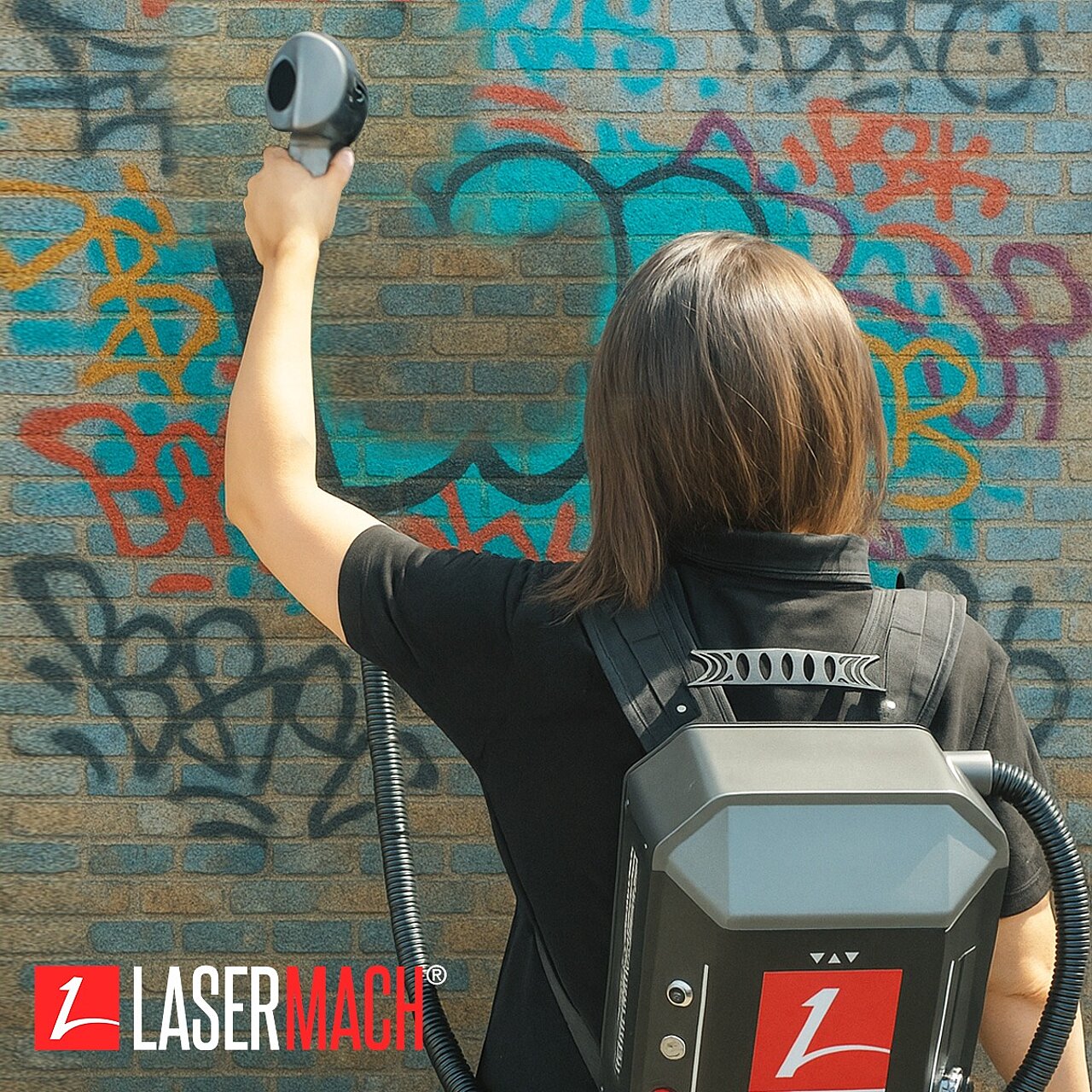
Microelectronics field: semiconductor components, microelectronics devices, memory templates, etc.; Cultural relics protection: stone carvings, bronzes, glass and murals, etc.; Abrasive cleaning: rubber abrasives, composite abrasives, metal molds, etc.; Surface treatment: hydrophilic treatment, surface roughening, pre-welding treatment, etc.; Paint and rust removal: aircraft, ships, weaponry, bridges, etc.; aircraft parts, electrical product parts, etc.; A clean, even surface – this is the basic requirement for successful and durable welding and adhesive connections. Others: urban graffiti, printing rollers, building exterior walls, nuclear industry, etc.
It has been problematic over the years to environment and health, especially in terms of noise, dust, and effluent that the sandblast or chemicals to remove the paint from the steel of the construction.
The laser provides a remedy for this: the non-contact tool frees components of dirt and oxidation/functional layers within seconds. The newly developed removal method is to evaporate the surface material by irradiating a non-contact laser toward the target, thus being able to propose optimized ways
ADVANTAGES OF LASER CLEANING COMPARED WITH TRADITIONAL CLEANING
Comparison Item | Laser Clean | Chemical Clean | Dry Ice Clean | Mechanical Clean | Ultrasonic Clean | Sandblasting |
Cleaning Method | By Laser, non-contact | Chemical reagent, contact material | Dry ice, non-contact | Mechanical abrasive, contact material | Cleaning agent, contact material | Special sand particles |
Damage | No | Yes | No | Yes | No | Yes |
Cleaning Efficiency | High | Low | Medium | Low | Medium | Medium |
Consumables | Only electricity | Chemical reagent | Dry ice | Sandpaper, Grinding wheel, abrasive stone/etc. | Special cleaning fluid | Special sand particles |
Cleaning Effect | Excellent, high cleanness | Ordinary, uneven | Good, but uneven | Ordinary, uneven | Good, but less cleanliness | Ordinary, uneven |
Precision | Precise control, high precision | No control, very low precision | Not controlled, very low precision | Not controlled, medium precision | Cannot specify a range to clean | Cannot specify a range to clean |
Safety/Environmental protection | No any pollution | Seriously polluting environment | No pollution | Polluting environment | No pollution | Polluting environment |
Manual Operation | Easy operation, hand-held or automatic | Complicated operation, high requirements to workers, pollution protection measures needed. | Easy operation, hand-held or automatic | Expend labour, pollution protection measures needed | Easy operation, but need to add consumables manually | Expend labour, pollution protection measures needed |
Cost Input | Higher initial cost, no consumables, very low maintenance cost | Low initial cost, very high consumables cost | Medium initial cost, high consumables cost | High initial cost, high consumable and labor costs | Low initial cost, medium consumables cost | High initial cost, high consumable and labor costs |

Major Advantages of Fiber Laser Cleaning Technology
Elimination of Chemical Solvents
Handling and disposal of hazardous chemical solvents is eliminated by laser cleaning. The reduction in costs of consumable solvents and the expensive requirements for post process treatment and disposal of these chemicals are not a factor for laser cleaning, making it both the environmentally preferred and lowest cost solution.
Controllable Non-Damaging Process
Laser cleaning provides greater levels of control than are available for any competing process. The highly focusable and steerable laser beam can be directed precisely as desired, while sensitive and repeatable power settings deliver only the amount of energy that is called for. The range of IPG fiber lasers includes pulsed models specifically designed to produce optimum cleaning results with a minimum of heat generation.
Reduction in Waste Products
Laser cleaning is a non-contact process that removes only the unwanted materials. With no abrasives or secondary components involved, laser cleaning produces fewer types and lower quantities of waste products than any other cleaning process. Less waste materials means lower process costs.
Highly ECOLOGICAL
With laser cleaning you do not safe only time and energy, but also you protect the enviroment by reducing waste drastically and no need of any additive or chemical substance.
