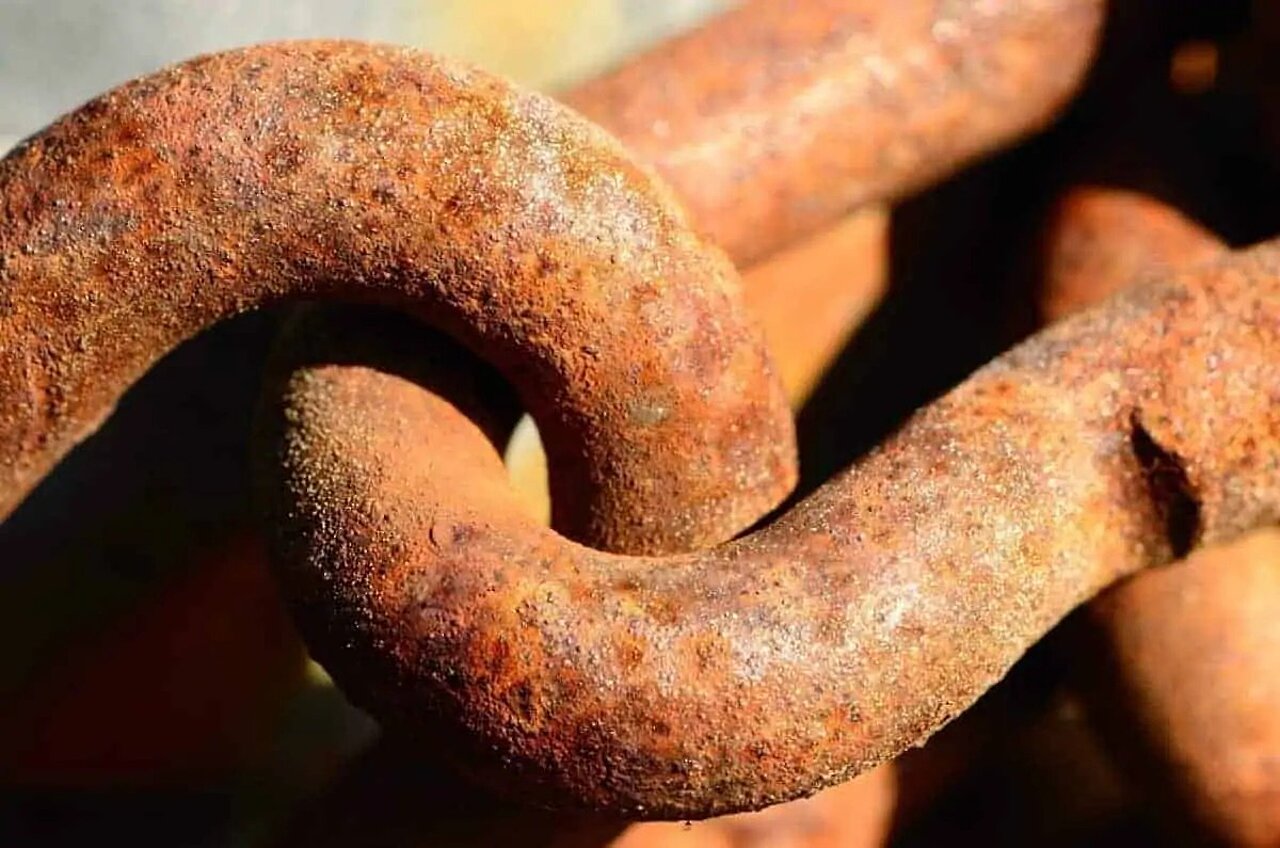
With constant exposure to saltwater, harsh climates, and heavy-duty operations, Navy vessels and equipment face some of the most aggressive corrosion environments on Earth.
Our laser cleaning technology offers a non-abrasive, environmentally friendly, and highly precise way to eliminate corrosion—without damaging components or wasting time on ineffective processes.

Paint removal from steel structures is executed for shipyards of marine and offshore engineering
Laser Stripping of Ships - Ship Hull cleaning - laser cleaning for ship hull maintenance
🛳️ Corrosion costs the Navy billions annually.
⚓ It compromises readiness and extends maintenance cycles.
🔧 Traditional methods can’t keep up.
Our laser cleaning technology offers a non-abrasive, environmentally friendly, and highly precise way to eliminate corrosion—without damaging components or wasting time on ineffective processes.Due to environmental unfriendliness and unhealthy drawbacks of the sandblasting technique, the laser ablation technique is proposed as a substitute method. By absorbing the high energy of the 1064 nm pulsed laser, the paint is vaporized quickly.
The ablated debris is then collected by using an aspirator or a fume suction pump.The initial metal surface of the steel is exposed when the laser beam irradiates perpendicularly and scans over it. The cleaned surface fulfills the requirements of surface preparation standards ISO 8501 of SA2.
The repainting can be embedded onto the laser-cleaned surface to bond much more tightly. The excellent adhesion strength of 20 MPa between repainted coating and the substrate is achieved, which is higher than what is required by shipyard applications.

Application of Fiber Laser Cleaning Technology in Ships - Fiber laser cleaning machine in shipbuilding industry
After a long time of use, ships are prone to aging, corrosion and other phenomena. Therefore, some technology is needed to renovate the hull. Traditional way is to use sand blasting process for processing, relatively mature, high efficiency, but its technology has defects, such as in the pretreatment of the roughing degree is beyond the standard. For a long time engaged in sand blasting operations workers body damage, pollution is serious, is greatly on the consumption of water electric power and artificial, relative to the sand blasting, chemical cleaning, polishing machine and other traditional cleaning method, laser cleaning has the basement without damage, accurate control, energy conservation and environmental protection of many advantages, such as will clamp down on some of the traditional cleaning method in the field of industry.

Laser stripping from ships is a very interesting alternative for shipboard corrosion repair and surface preparation for new paint.
These are currently the two heaviest and most expensive maintenance challenges that ship operators have to face.
Shipboard corrosion control and preparation of surfaces for recoating are two of the most expensive maintenance challenges facing both military and civilian ship operators. For example, the US Navy estimates that fighting corrosion absorbs 25 cents of every maintenance dollar; the annual corrosion cost for Navy ships in 20232 was estimated at $7.6 billion.
Ever-increasing operations tempo, as well as business economics, manning reductions, training cutbacks, shortened shipyard availabilities, and diminished waterfront/intermediate maintenance capacity all contribute to a growing need for new and better maintenance approaches. Laser cleaning for ship maintenance : the right solution - Ecological and Economical
Our PhotonClean laser cleaning technology offers utmost flexibility in removing the rust/oxide from the native metal surface.
The Lasermach system removes rust and mill scale from steel materials like no other method. The laser excites the oxygen in the corrosion layer, popping the oxide off the native metal. Laser cleaning with color pulse control is highly selective, removing only metal oxides, and leaving the parent metal substrate intact.
The laser is highly selective, removing only metal oxides, and leaving the parent metal substrate intact. Laser decoating and surface preparation of original grit-blasted surfaces removes corrosion and coatings to reveal the original surface roughness characteristics. A surface that has been laser ablated is ready to recoat, without any further preparation.
The physics of the laser process make it exceptionally effective in removing corrosion products from weldments and complex details in ships’ structures. The laser can efficiently remove corrosion products from any textured surfaces or notch details that the laser can “see”.

Application of cleaning yacht hulls
In yacht hull cleaning, it can effectively remove oxide layers and stains, is environmentally friendly and efficient, and accurately clean complex surfaces
Non destructive laser ship cleaning series
Say goodbye to traditional polishing and chemical agents. We are a high-power laser cleaning solution tailored for yacht and ship maintenance. Focusing on precise vaporization to remove barnacles, seaweed, oyster shells, and heavy anti fouling coatings from the bottom of ships. To achieve zero damage, high efficiency, and no secondary pollution in ship surface pretreatment, ensuring maximum ship performance and fuel efficiency.
Marine Laser Cleaning Technology Principles
Definition and advantages: I use high-energy pulse lasers to instantly vaporize or shake off barnacles, marine algae, rusted metals, and old anti-fouling paint attached to the surface of the ship, achieving thorough cleaning. As a non-contact, zero consumable and zero chemical residue green cleaning scheme, I can effectively protect sensitive materials such as hull gel coating and glass fiber, which is an ideal choice to maintain the perfect state and maximum speed of the yacht.
Application focus: Traditional cleaning can cause wear and tear on the ship’s hull and pollute the ocean, while I am specifically designed for high-end ship maintenance. My application areas include: yacht bottom cleaning, precise rust removal of propellers and rudder blades, removal of algae stains on waterlines, and micro-level surface pretreatment before applying anti-fouling paint. Through efficient cleaning, I am able to restore the streamlined design of the hull, significantly improve speed and fuel efficiency, and extend the lifespan of the anti-fouling coating.
Sandpaper polishing vs. laser cleaning
| Feature | Sandpaper Sanding (Abrasive) | Laser Cleaning (Non-Abrasive) |
| Cleaning Method | Physical Abrasion and Friction | Energy Vaporization and Stripping |
| Damage to Hull Substrate | Difficult to control; high risk of damaging the Gelcoat and Fiberglass. | Non-Contact and Non-Destructive. Precision protection of the underlying substrate. |
| Contaminant Removal | Produces large amounts of dust/abrasive mixture; difficulty in completely removing micro-residues. | Precisely removes Barnacles, Algae, Microbial Film, and multi-layered anti-fouling paint with no residues. |
| Environmental Impact | Creates significant dust and waste; abrasive material and old paint powder cause secondary marine pollution. | Zero Consumables, Zero Chemicals, Zero Secondary Pollution. Fully compliant with marine environmental standards. |
| Efficiency / Docking Time | Labor-intensive, slow, uneven cleaning, significantly extends vessel downtime and docking time. | Extremely fast, highly automated, significantly reduces vessel docking time. |
| Surface Pre-treatment Result | Uneven surface roughness, negatively affecting the adhesion and lifespan of new anti-fouling paint. | Creates an ideal, uniform micro-roughness, maximizing the adhesion and durability of new coatings. |
| Long-Term Maintenance Cost | Requires continuous consumables (sandpaper/abrasives); potential for high hull repair costs due to damage. | Initial investment followed by zero consumables; extends coating life and significantly reduces long-term comprehensive maintenance costs. |
Barnacle and Algae Removal
My high-energy pulse can instantly vaporize barnacles, moss, algae, and microbial films on the surface of the ship without scratching or using corrosive chemicals. This non-destructive technology can accurately act on pollutants, thoroughly clean the hull gel coating and glass fiber, prevent surface damage, ensure that your yacht recovers to the best hydrodynamic performance, and significantly reduce fuel consumption.
Propeller and Metal Component Precision Derusting
Unlike traditional polishing, I am able to perform precise rust removal and cleaning on propellers, drive shafts, rudder blades, and tail metal components at the micrometer level.
Pre-coating Surface Preparation for Anti-fouling Paint
Before applying new anti-fouling paint, my pulse can thoroughly remove tiny residues, oil stains, and salt from the surface of the ship. I can accurately create the ideal micro roughness to ensure that the new coating obtains the strongest adhesion and optimal spreading.
Safe Stripping of Old Anti-fouling Paint
It is crucial to safely remove aged and layered anti-fouling paint during the maintenance cycle of the ship’s hull. I can precisely control the stripping depth and only evaporate the old paint layer to completely avoid damaging the gel coating or hull structure
Safe Stripping of Old Anti-fouling Paint
It is crucial to safely remove aged and layered anti-fouling paint during the maintenance cycle of the ship’s hull. I can precisely control the stripping depth and only evaporate the old paint layer to completely avoid damaging the gel coating or hull structure
Yacht Hull Non-Destructive Cleaning Case
Laser cleaning is the best choice for high-end yacht hull maintenance.
By precisely adjusting the laser parameters, you can completely and contactlessly remove stubborn barnacles, algae, old antifouling paint, and heavy rust on key metal parts on the hull surface without damaging the gel coating and glass fiber on the base layer.
This provides an ideal micron-level pre-treatment foundation for the subsequent coating of high-performance anti-fouling paint, ensuring that the yacht is restored to its optimal fluid dynamics state, significantly improving speed and fuel efficiency, and ensuring the reliability and safety of every voyage.

Paint removal from steel structures is executed for shipyards of marine and offshore engineering. Due to the environmental unfriendliness and unhealthy drawbacks of the sandblasting technique, the laser ablation technique is proposed as a substitute method. By absorbing the high energy of the 1064 nm pulsed laser, the paint is vaporized quickly.
The ablated debris is then collected by using a suction pump. The initial metal surface of the steel is exposed when the laser beam irradiates perpendicularly and scans over it. The cleaned surface fulfills the requirements of surface preparation standards ISO 8501 of SA2. The repainting can be embedded onto the laser-cleaned surface to bond much more tightly. The excellent adhesion strength of 20 MPa between the repainted coating and the substrate is achieved, which is higher than what is required by shipyards' applications.

The corrosion products of steel are normally made of iron ferro-oxide (Fe2O3) in the colors red or yellow. The iron Iron-oxide on the metal surface can be removed rapidly with a large beam diameter and high average power.
The corrosion product of ferriferrous oxide / ferrous oxide layer is stubborn and requires higher power density for removal; therefore, a small beam diameter and large pulse energy are needed.
The physics of a laser cleaning process make it unprecedentedly effective in removing corrosion from any complex details in ships and their components.
The laser energy absorption is highly selective; thus, it can remove metal oxides while keeping the native metal substrate intact. The rust/oxide is either vaporized or suctioned away as particles.
It is possible to selectively remove coatings in a multi–layer paint system. The ablation depth for a single scan can be controlled within a few micrometers, and this process is repeated until the desired depth is reached.
Laser technology can precisely clean certain spots on that surface, with a focus beam spot size that can be as small as tens of micrometers.
Laser process can produce rough surface characteristics while removing corrosion to get ready for re-painting without any further preparation.
To improve cleaning efficiency, laser derusting uses high-energy, high-frequency, high-power characteristics. Lasermach’s uses pulsed fiber laser Sources that can produce pulses with large single pulse energy, high average power, and high repetition frequency for efficient laser derusting.
By adjusting different combinations of the above parameters,
Lasermach High Power PhotonClean Trident series laser can remove various types of rust/painting.
